Since I climbed to the summit of Laoya Peak in the autumn of 2011, encountered August Zha at Golden Rooster Valley, and after my friends imagined artificial cultivation during the trip, the idea of orchard was born.
From 2014~2016, he successively surveyed August Zha (fried grain), Huoshen fruit, Bufuna, cherries, and others. In 2017, he reclaimed 15 mu of wasteland at the foot of the Mufu Mountain in Yangxin to plant fruit mulberry trees.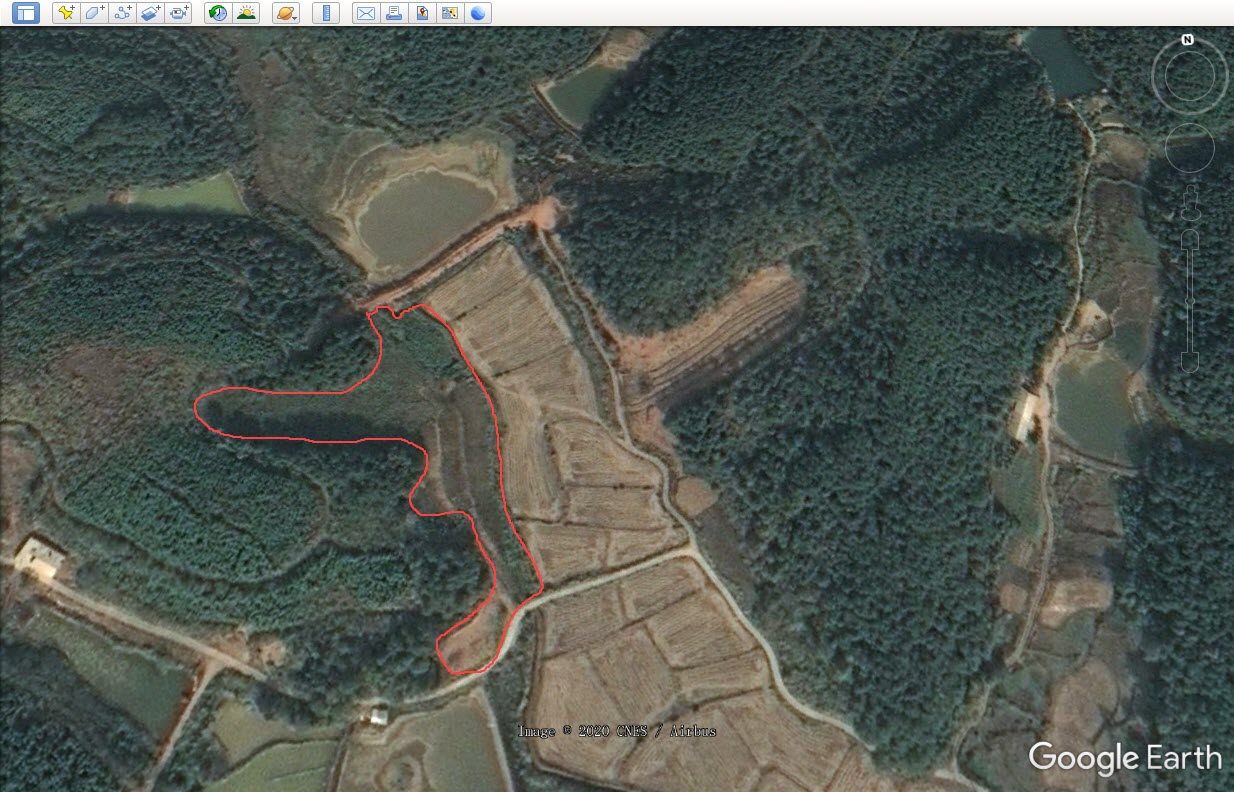
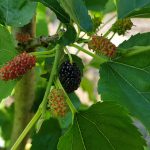
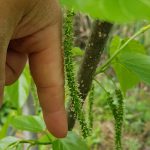
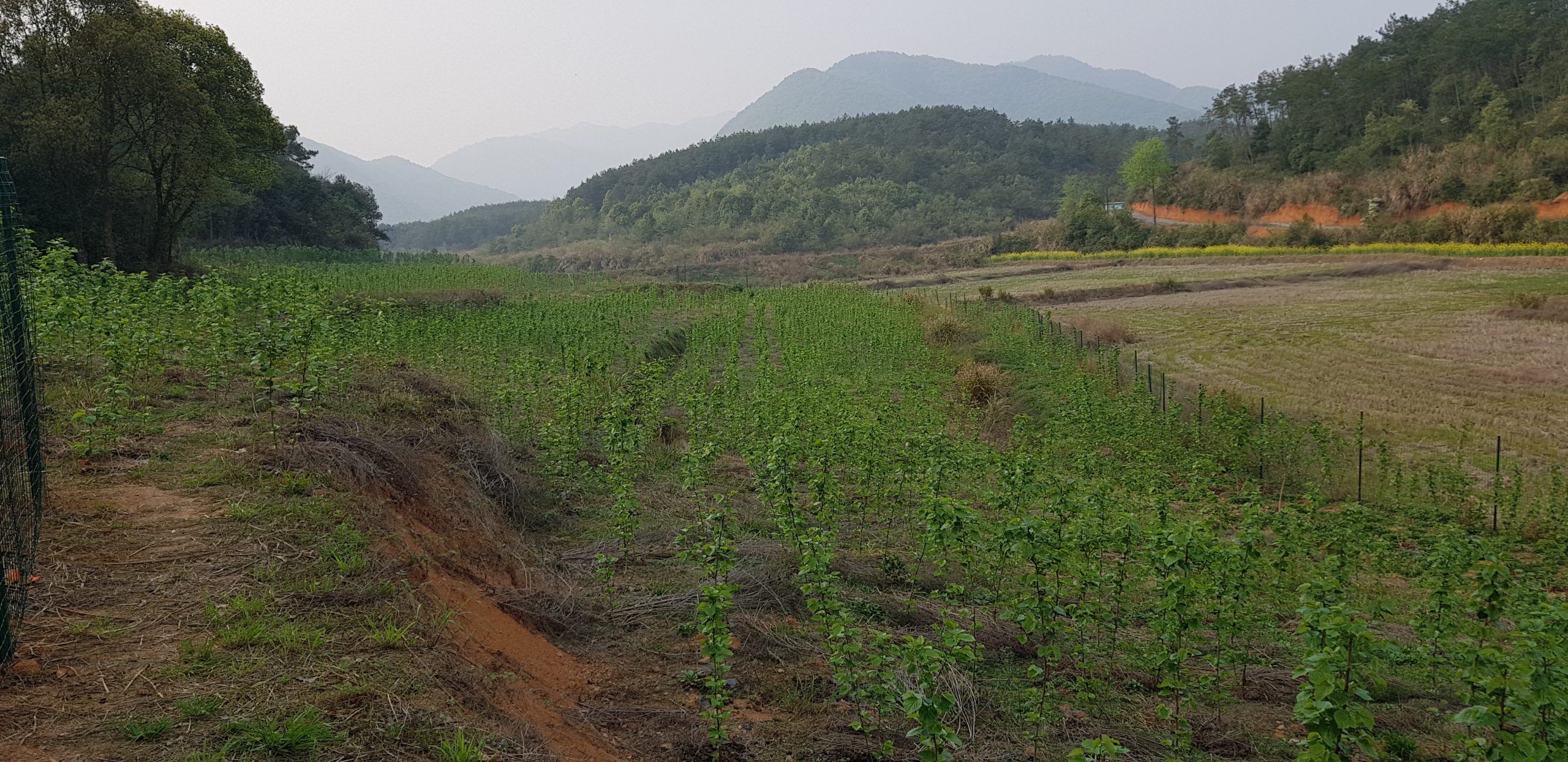 Plant two fruit mulberry varieties: seedless Da Shi and long fruit mulberry
Reflections on Farming Experience:
Agricultural product costs are extremely high. I once consulted a senior professor at Huanong, who gave an example: a well-known domestic juice brand imports 95% of its fresh fruit raw materials. Because foreign countries are highly mechanized, even including transportation costs, the cost is lower than domestic procurement. Based on my three years of farming experience, the main reason for high costs is the low level of automation and intelligence. 1. Young and middle-aged people all move to cities to work, rural labor is severely insufficient, and automated production systems have not developed, so large areas of farmland have been returned to wasteland
2. Even if rural labor is abundant, relying on manual labor for traditional agriculture inevitably leads to inefficient products lacking competitiveness
3. Large machinery is not suitable for hilly terrain like the Wuhan area. Even if I have a weeder and no longer rely on sickles, manual labor is still required
For fruit mulberry cultivation, the main labor costs come from weeding and spraying. These two tasks are highly mechanical and repetitive, making their business models well-suited to be replaced by machines. If there were a small device controlled by preset scripts and repeated day after day, at least the labor cost for fruit mulberry cultivation would be reduced to harvesting, packaging, and shipping. This conceptual framework should be applicable to all agricultural projects that reduce field costs.
Weeding: Can a small tracked vehicle be built, equipped with rotating blades on the chassis, patrol along a set route, and set a cycle (for example, once a week)? Compared to glyphosate, this physical method is more soil-friendly and absolutely safe for crop residues. Cut weeds remain in the soil and are converted into nutrients, forming a circular and eco-friendly environment.
Spraying: In addition to watering and water-based pesticides, even liquid fertilizer is included. Drones seem capable of handling this challenge. Compared to sprinkler systems, drones' greatest advantage is flexibility. For example: plant row spacing is 2*2, plant row spacing is 3*3, and the nozzle installation position for spray nozzle systems is fixed—suitable for either A or B, but drones do not have this problem; Second, assuming a drone can operate 24 hours a day, covering 15 mu. Expanding from a 1-mu orchard to a 15-mu orchard would not add additional construction costs. Even if expanded to 30 mu, it would only cost the additional drone, eliminating the need for pipeline layout, trench digging, and other repetitive labor.
As mentioned above, whether it's a tracked vehicle or a drone, since it involves route patrol, the fundamental technology is the issue of precise outdoor positioning.UWBTechnology can solve the problem of precise outdoor positioning. For remote control, execution scripts can be preset, and the mobile app only needs to check the status of each execution unit to facilitate troubleshooting. Other features such as charging, liquid bottling, and automatic line inspection have already been implemented in various other products, requiring integrated hardware and software functions.
I have a dream: one day I will be able to lie in my treehouse on the big camphor tree in the center of the orchard, reading "A Brief History of the Future," with drones outside the window spraying on the orchard canopy, and tracked vehicles patrolling along the UWB-marked route to weed—just like the scenes depicted in "A Brief History of the Future."